
Daily Vitamin Requirements by Age
Discover the essential vitamins and minerals your body needs at every life stage. From infants to older adults, we break down the daily requirements and help you understand optimal nutrition for your health journey.

Why Vitamin Knowledge Matters
Optimal Health
Proper vitamin intake supports immune function, energy levels, and overall wellbeing across all ages.
Age-Specific Needs
Nutritional requirements change throughout life. Understanding these differences ensures you're meeting your body's unique demands.
Natural Sources
Learn which whole foods provide the vitamins you need, supporting a balanced and sustainable nutritional approach.
Vitamin Requirements by Age Group
Each life stage requires different amounts of essential vitamins and minerals. Explore the key nutrients for your age group and understand how to maintain optimal levels naturally.
Infants & Toddlers
(0–3 years)
Critical growth period requiring concentrated nutrients for brain and physical development.
- Vitamin D: 10 mcg daily
- Calcium: 500–700 mg daily
- Iron: 0.27–11 mg daily
- Vitamin A: 300–400 mcg daily
Children & Pre-Teens
(4–8 years / 9–13 years)
Growing bodies need sustained nutrient intake for bone strength, cognitive development, and energy.
- Vitamin D: 15 mcg daily
- Calcium: 1000 mg daily
- Iron: 8–10 mg daily
- Vitamin C: 25–45 mg daily
Teenagers
(14–18 years)
Peak growth years demand increased vitamins for bone density, hormonal balance, and academic performance.
- Vitamin D: 15 mcg daily
- Calcium: 1300 mg daily
- Iron: 11–15 mg daily
- B Vitamins: Increased B12 & folate
Adults
(19–50 years)
Stabilised nutrient needs focus on maintaining energy, supporting metabolism, and preventing future health concerns.
- Vitamin D: 15 mcg daily
- Calcium: 1000–1200 mg daily
- Iron: 8–18 mg daily (sex-dependent)
- B Vitamins: Full spectrum daily
Mature Adults
(51+ years)
Changing absorption and metabolic needs require attention to specific nutrients for bone health and vitality.
- Vitamin D: 15–20 mcg daily
- Calcium: 1000–1200 mg daily
- B12: 2.4 mcg daily (fortified sources)
- Vitamin K: 90–120 mcg daily
Special Populations
(Pregnancy, Athletes, etc.)
Unique life circumstances create elevated nutrient demands for optimal outcomes and supporting additional physiological needs.
- Pregnancy: Increased folate & iron
- Breastfeeding: Higher caloric intake needs
- Athletes: Enhanced B vitamins & minerals
- Vegans: B12, iron, zinc alternatives

Understanding Micronutrient Needs
Vitamins and minerals are essential micronutrients that our bodies cannot produce independently. These vital compounds regulate metabolism, support immune function, strengthen bones, and enable countless biological processes that keep us healthy and energised.
Each age group has distinct requirements based on growth rate, activity level, and physiological changes. What works for a child may differ significantly from an older adult's needs. Understanding these differences allows you to make informed nutritional choices that support your unique life stage.
Water-Soluble Vitamins
Vitamin C and B-complex vitamins require regular replenishment as your body doesn't store them long-term.
Fat-Soluble Vitamins
Vitamins A, D, E, and K are stored in body fat and require adequate dietary fat for absorption.
Essential Minerals
Calcium, iron, zinc, magnesium, and others play irreplaceable roles in bone strength, oxygen transport, and immunity.
How to Meet Your Daily Vitamin Goals
A practical, step-by-step approach to ensuring you get the vitamins and minerals your body needs for optimal function at any age.
Identify Your Age Group Requirements
Start by determining which age category you or your family member falls into. Each stage from infancy through older adulthood has specific recommended daily allowances (RDAs). Visit our age-groups resource to find detailed breakdowns of your personal vitamin and mineral needs based on your current life stage.
Assess Your Current Dietary Intake
Keep a food diary for 3–5 days and note what you're eating. Compare your intake against recommended levels using food composition databases or nutrition tracking apps. Many people discover gaps in certain vitamins—such as vitamin D in winter months or vitamin B12 if following plant-based diets—before making adjustments.
Incorporate Vitamin-Rich Whole Foods
The most effective approach is obtaining nutrients from whole foods. Leafy greens provide vitamins K and folate; orange vegetables offer beta-carotene; fatty fish deliver vitamin D and omega-3s; nuts and seeds supply magnesium and zinc. Building meals around nutrient-dense foods naturally supports your daily requirements.
Monitor and Adjust Seasonally
Nutritional needs and food availability vary seasonally. Winter months may require increased attention to vitamin D sources. Summer offers abundant fresh berries rich in vitamin C. Adjust your meal planning to reflect seasonal produce availability and monitor energy levels, immunity, and overall wellbeing to ensure your approach is supporting your health goals effectively.
Top Vitamin-Rich Food Sources
Discover nutrient-dense foods that naturally provide essential vitamins and minerals for every age group.

Leafy Greens
Spinach, kale, and swiss chard are powerhouses of vitamin K, folate, and magnesium.
- Vitamin K: 300+ mcg per serving
- Folate: 140 mcg per cup
- Iron: 2–6 mg per serving

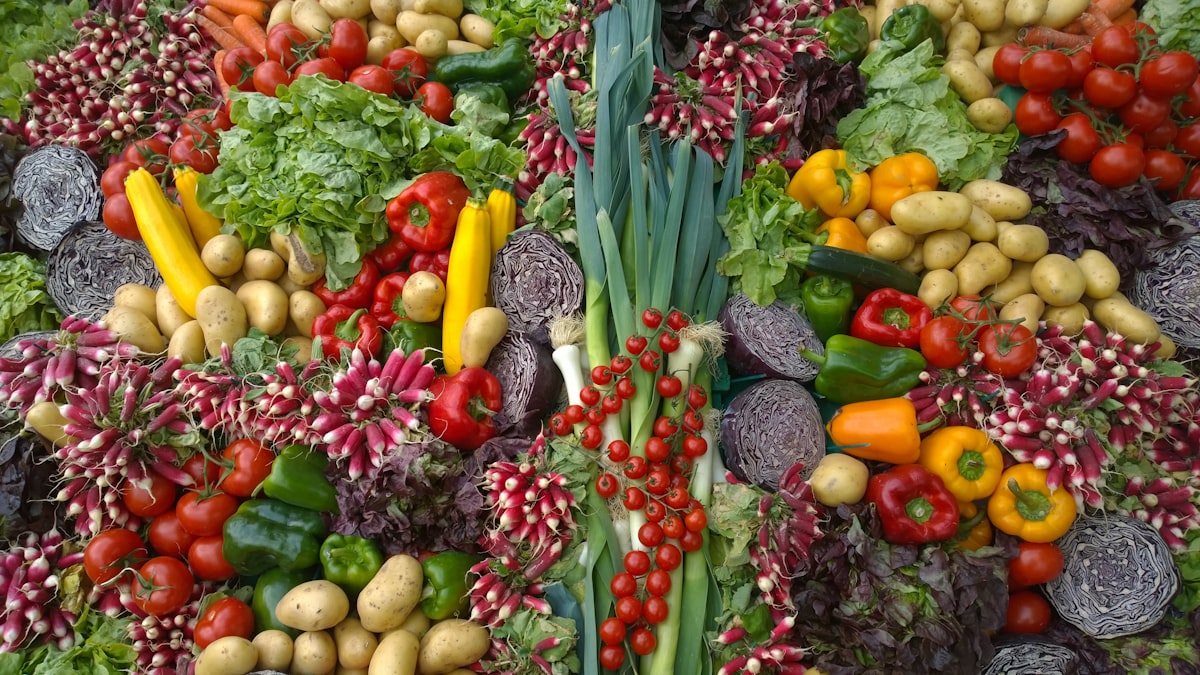
Orange Vegetables
Carrots, sweet potatoes, and pumpkin deliver beta-carotene (vitamin A) for vision and immunity.
- Beta-carotene: 8–18 mg per serving
- Potassium: 300–500 mg per serving
- Fibre: 3–5 g per serving

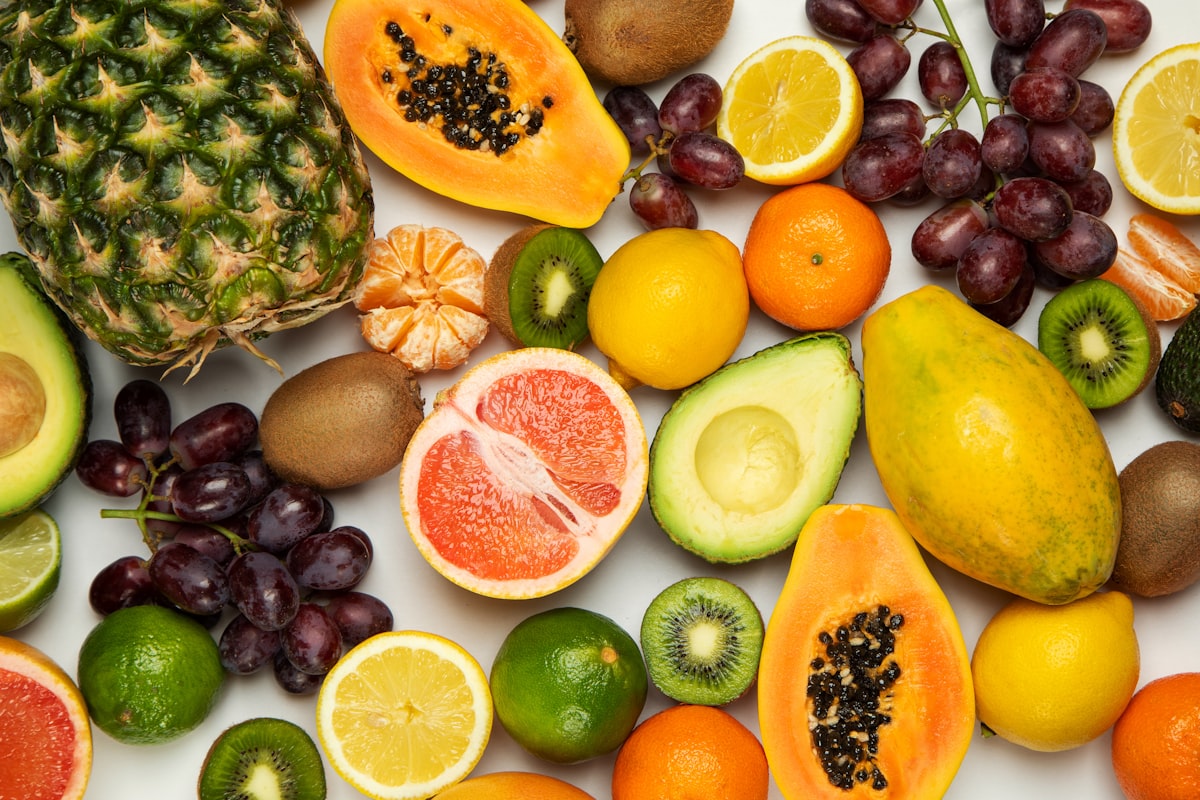
Citrus Fruits
Oranges, lemons, and grapefruits provide vitamin C for immune support and collagen formation.
- Vitamin C: 50–90 mg per medium fruit
- Folate: 30–50 mcg per serving
- Bioflavonoids: Powerful antioxidants
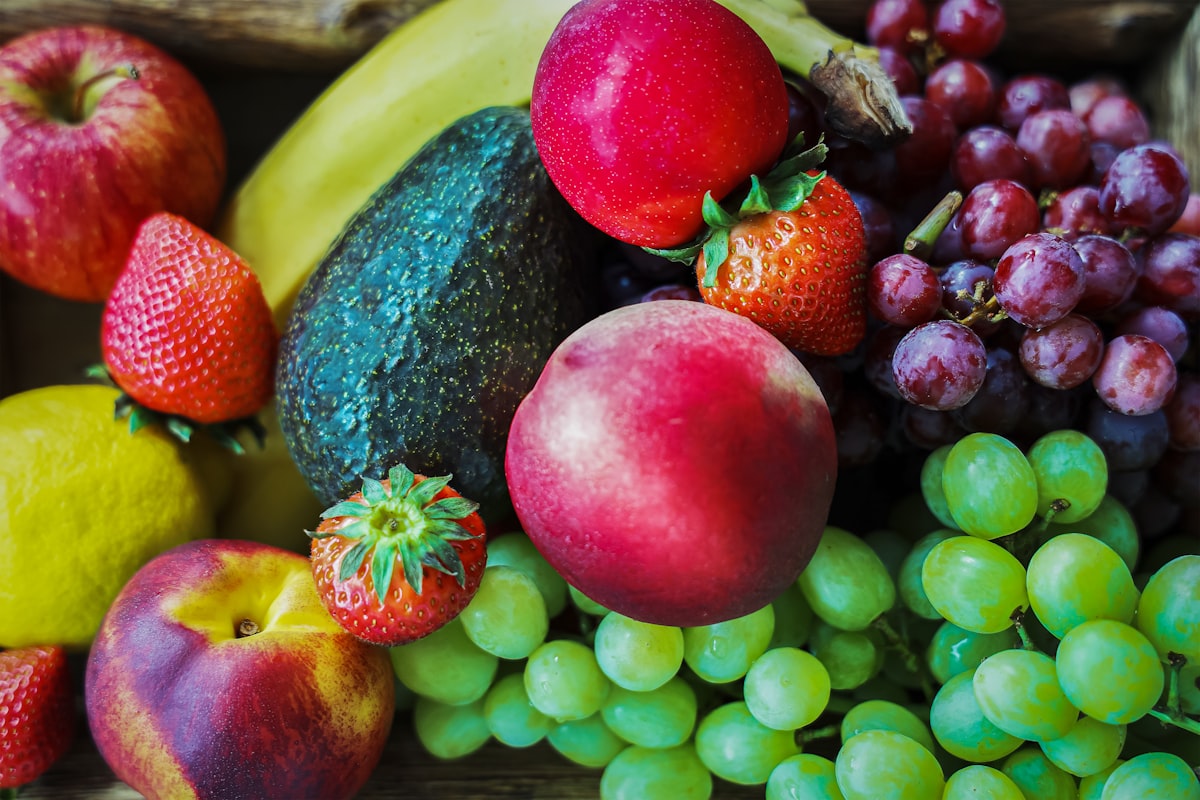
Red Berries
Strawberries and raspberries are rich in vitamin C, anthocyanins, and fibre for optimal nutrition.
- Vitamin C: 60 mg per cup (strawberries)
- Anthocyanins: Powerful antioxidants
- Fibre: 3–8 g per serving
Fatty Fish
Salmon and mackerel provide vitamin D, omega-3 fatty acids, and selenium for bone and heart health.
- Vitamin D: 600–1000 IU per serving
- Omega-3s: 1.5–2.3 g per serving
- B vitamins: B12, B6, niacin

Nuts & Seeds
Almonds, sunflower seeds, and pumpkin seeds deliver vitamin E, magnesium, and zinc.
- Vitamin E: 20–37 mg per ounce
- Magnesium: 150–200 mg per serving
- Zinc: 3–4 mg per serving

Eggs
Eggs are complete proteins containing choline, lutein, vitamin D, and B vitamins including B12.
- Choline: 140 mg per large egg
- Lutein: 200 mcg per large egg
- B vitamins: B2, B5, B7, B12
Red Meat
Beef and lamb provide highly absorbable iron, zinc, B12, and complete amino acid profiles for growth and energy.
- Iron: 2–3 mg per 100g (highly absorbable)
- B12: 2–3 mcg per serving
- Zinc: 5–7 mg per serving

Dairy Products
Milk, yoghurt, and cheese provide calcium, vitamin D (fortified), riboflavin, and protein for bone health.
- Calcium: 200–300 mg per serving
- Vitamin D: 100–120 IU per cup (fortified)
- B12: 0.9 mcg per cup
What Our Readers Say
Real feedback from people who have used our vitamin requirement guides to improve their family's nutrition and health journey.
"This guide completely changed how I approach my children's nutrition. I now understand exactly what vitamins they need at each age. Highly recommend!"
Sarah Johnson
Parent of 3
"The breakdown by age group is so helpful. No more guessing whether my teen is getting enough B vitamins and iron. Clear, actionable information!"
Maria Chen
Nutrition Enthusiast
"As a busy mom, this resource saved me hours of research. Everything is organized, science-backed, and easy to understand. Worth every penny!"
Rachel Kim
Health Coach
Ready to Transform Your Family's Nutrition?
Get instant access to comprehensive vitamin requirement guides tailored for every family member. Make informed decisions about nutrition with confidence.
Frequently Asked Questions
Everything you need to know about our vitamin requirement guides
What age groups are covered in the guides?
Can I download the guides for offline use?
Are these guidelines based on scientific research?
Do you offer support if I have questions?
Is there a money-back guarantee?
Wellnessnutritionpath
Empowering families with evidence-based nutrition guidance for optimal health and wellness.
Quick Links
© 2024 Wellnessnutritionpath – VAT: GB818 2085 99. All rights reserved. | Made with for families